
Surat Textile Industry: Growth, Markets, Exports
Textile Industry in Surat
The textile industry in Surat is one of the largest and most dynamic textile ecosystems in the world. Known as the Textile City of India, Surat plays a crucial role in the country’s fabric production, trade, and exports. From power looms and synthetic fabrics to massive wholesale markets, Surat has built a textile infrastructure that fuels both domestic and international demand.
This blog explores the history, growth, key strengths, challenges, and future of the Surat textile industry, making it a complete SEO-friendly guide for business owners, traders, exporters, and researchers.
History of the Textile Industry in Surat
The roots of Surat’s textile industry date back several decades when small weaving units and silk trading began shaping the city’s economy. The real transformation started with the introduction of power loom technology, which allowed manufacturers to produce fabrics at scale.
Over time, Surat evolved from scattered home-based units into a well-organized textile manufacturing and trading hub, attracting entrepreneurs from across India.
Why Surat Is Known as the Textile City of India
Surat earned its title due to its unmatched scale and specialization in man-made fiber (MMF) textiles. The city became India’s leading producer of polyester, nylon, viscose, and blended fabrics.
Key Reasons Behind Surat’s Textile Dominance
- Early adoption of power looms
- Strong trader-driven business culture
- Focus on synthetic and affordable fabrics
- Rapid adaptation to fashion trends
- Integrated textile supply chain
Scale and Strength of Surat Textile Industry
The textile industry in Surat operates on a massive scale:
- Produces millions of meters of fabric daily
- Houses hundreds of thousands of power looms
- Employs over a million workers
- Contributes a major share to India’s MMF textile production
- Supplies fabrics to all Indian states and global markets
This volume-driven ecosystem makes Surat one of the largest textile manufacturing centers in the world.
Complete Textile Ecosystem Under One Roof
One of Surat’s biggest advantages is its end-to-end textile infrastructure, which includes:
- Yarn trading and sourcing
- Weaving and knitting units
- Dyeing and printing houses
- Processing and finishing units
- Embroidery and value addition
- Packaging, logistics, and exports
This integration reduces production time, lowers costs, and improves efficiency — a major SEO keyword strength for “Surat textile manufacturing”.
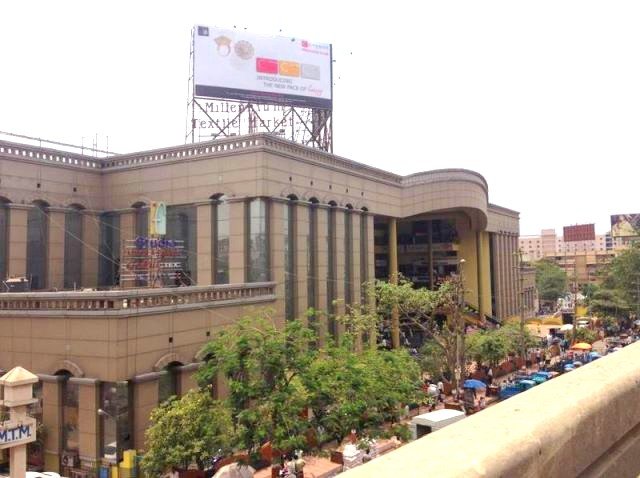
Surat Textile Markets: India’s Fabric Trading Hub
Surat is home to some of the largest wholesale textile markets in Asia, including:
- Surat Textile Market
- Bombay Market
- JJ Textile Market
- Zampa Bazaar
These markets attract buyers, wholesalers, and exporters from across India, making Surat a central distribution hub for fabrics.
Man-Made Fiber and Synthetic Fabric Leadership
The city’s dominance in synthetic textiles has helped it outperform traditional cotton-based textile regions. Surat specializes in:
- Polyester sarees and dress materials
- Fancy and printed fabrics
- Blended and technical textiles
- Fashion and ethnic wear fabrics
This specialization has strengthened Surat’s position in both domestic retail and textile exports.
Employment and Economic Impact
The Surat textile industry is a major employment generator, supporting:
- Weavers and machine operators
- Designers and printers
- Traders and commission agents
- Transporters and exporters
It contributes significantly to Gujarat’s economy and supports millions of livelihoods directly and indirectly.
Technology, Innovation, and Modernization
Surat’s textile sector continues to evolve with:
- Digital and rotary printing
- High-speed weaving machines
- Energy-efficient dyeing processes
- Automation and quality control systems
These advancements help Surat remain competitive in global textile markets.
Challenges Facing the Surat Textile Industry
Despite its success, the industry faces challenges such as:
- Raw material price fluctuations
- Payment and credit risks
- Environmental compliance in dyeing units
- Market volatility and demand cycles
However, Surat’s resilience and adaptability help it overcome these challenges consistently.
Future of the Textile Industry in Surat
The future of Surat’s textile industry looks strong, driven by:
- Expansion into value-added and technical textiles
- Growth in exports and global sourcing
- Increased focus on sustainability and eco-friendly production
- Government support and infrastructure development
With innovation and scale working together, Surat is set to strengthen its position as a global textile manufacturing hub.
Conclusion
The textile industry in Surat is a powerful example of how entrepreneurship, technology, and market understanding can transform a city into a global leader. From power looms to international exports, Surat continues to weave growth, opportunity, and innovation into every meter of fabric it produces.
Whether you are a trader, exporter, investor, or researcher, Surat remains one of the most important textile destinations in the world.